
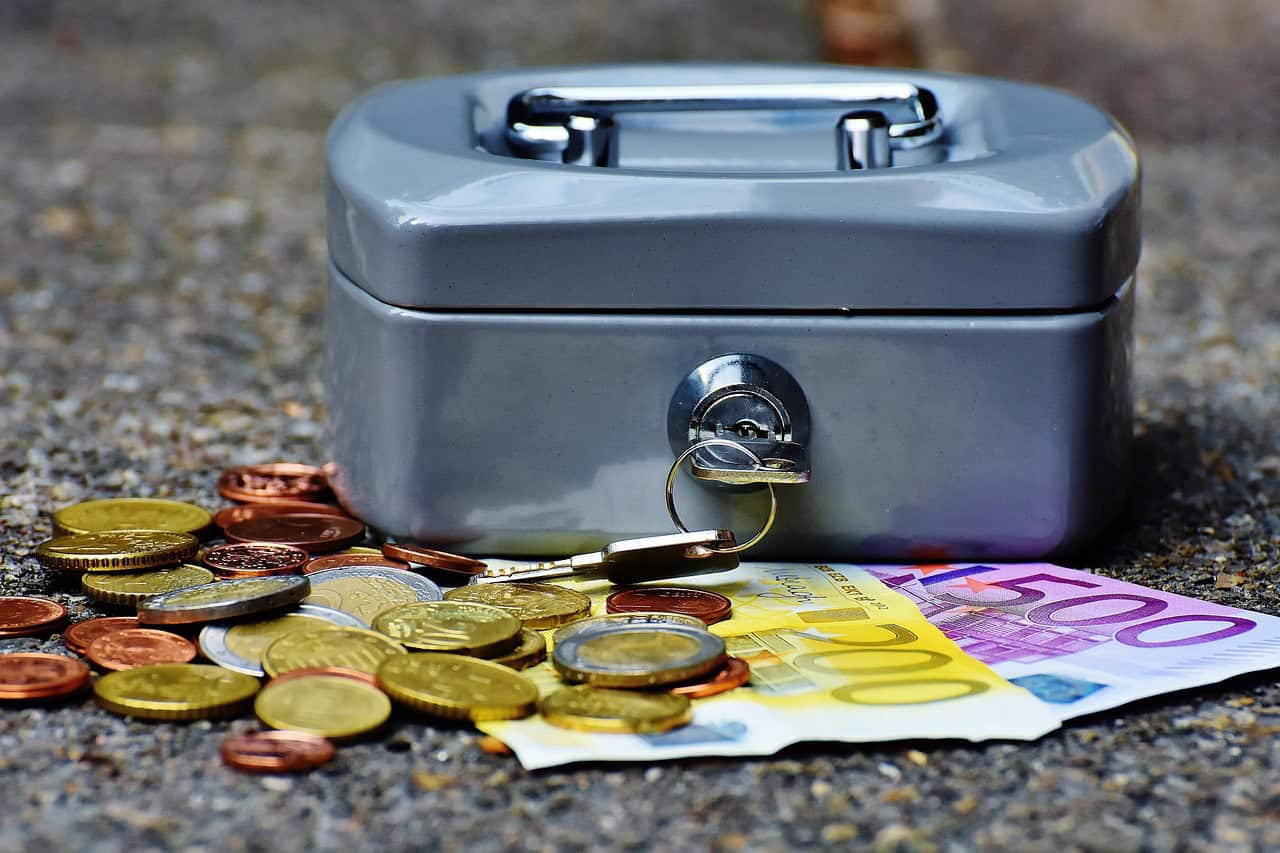
Start From £0 And Build A Solid Emergency Fund
There is a particular kind of financial stress that doesn’t come from debt, bills, or even low income.
It comes from fragility.
It’s the nagging worry that an unplanned expense—whether it’s fixing a flat tyre, dealing with a broken heating system, covering a dental visit, or losing a shift at work—could lead to a cascade of problems, toppling your careful financial plans like a line of dominoes. It’s the unsettling feeling of trying to navigate a high-wire act, with the ground looming below and no protective barrier to cushion your descent should you stumble.
That’s why, if I had to choose just one financial habit that changes lives faster than any other, it wouldn’t be investing. It wouldn’t be budgeting. It wouldn’t even be a debt payoff.
It would be this:
Building an emergency fund.
An emergency fund doesn’t just protect your money.
It protects your peace of mind.
And if you’re starting from £0—or close to it—you’re not behind. You’re simply at the beginning of one of the most potent financial transformations you’ll ever make.
Let’s walk through it together.

What an Emergency Fund Really Is (And What It Is Not)
An emergency fund is often poorly explained.
An emergency fund is often described as ‘3–6 months of expenses,’ but this can make beginners feel overwhelmed or unsure where to start. Clarifying that it’s a flexible guideline can help reduce confusion and encourage initial steps.
Let’s simplify.
- A financial buffer between you and life’s surprises that provides stability and peace of mind, encouraging beginners to see it as a practical support rather than a distant goal.
- A stress-reduction tool
- A protection against debt
- A confidence builder
- A foundation for every other financial goal
What an Emergency Fund Is NOT
- An investment account
- A holiday fund
- A shopping buffer
- “Extra money”
- Something you need to build perfectly
An emergency fund is not about abundance. It’s about stability, a realistic and attainable goal that can bring confidence and peace of mind, making the idea of building an emergency fund feel more accessible.
And stability changes everything.

Why Emergency Funds Matter More Than You Think
The Importance of Emergency Funds for Strong Finances
Money issues can arise for many reasons, not just bad spending decisions. Sometimes, it’s simply because you don’t have enough money saved up for sudden expenses. If you don’t have an emergency fund, you might run into some huge problems when unexpected costs come your way.
- Small Issues Can Get Bigger: Without savings, even minor financial troubles might grow into serious ones.
- Increased Borrowing: When faced with unexpected expenses, people often turn to credit cards or loans. This could lead to increased debt and interest payments.
- Increased Stress: Your general well-being and mental health may suffer if you worry about money.
- Slows Financial Growth: Unexpected expenses might catch us off guard and deplete our resources, making it difficult to build wealth over time.
On the other hand, having an emergency fund can help you deal with financial challenges in many ways, such as reducing stress and preventing debt:
- Easier Problem Solving: Savings allow you to handle financial concerns that might otherwise feel overwhelming, making it easier to stay on top of your finances.
- Easier Handling of Emergencies: When you have money saved, you can handle unexpected situations more easily, which helps avoid bigger money problems later on.
When you have money saved up, you feel more in control and empowered to make smarter financial decisions without feeling rushed or overwhelmed.
Having an emergency fund enables you to plan proactively for the future, giving you hope and confidence to handle problems before they happen.
While an emergency fund doesn’t earn extra money, it protects you from surprises that can hurt your finances, which is essential for building wealth in the long run.

The Biggest Myth: “I Need a Lot of Money to Start”
Let’s destroy this myth immediately, and make it clear.
You don’t need a high income.
You don’t need a flawless budget.
You don’t need to be debt-free, confident, or sitting on a pile of savings.
None of that is required.
What you need is movement. Momentum. Something small that actually happens, which can help you feel more capable and less discouraged.
People who build emergency funds don’t wake up one day and stash away huge sums. They start tiny, showing you that small, manageable steps are always possible and empowering.
Saving £5 regularly will take you further than saving £500 once and never repeating it—every time.
Because it’s not the number that changes things, it’s the habit.
Step 1: Redefine What ‘Enough’ Means (For Now)
If you try to save “3–6 months of expenses” right away, you might feel overwhelmed. Instead, let’s build your emergency fund step by step, so you feel more confident in your progress.
Layer 1: The £100 Buffer
This is your shock absorber.
It covers:
- Small car issues
- Unexpected bills
- Prescription costs
- Minor emergencies
This alone can help you avoid falling into debt.
Layer 2: £500–£1,000
This is where confidence begins to grow.
It covers:
- Larger repairs
- Short income gaps
- Most real-life emergencies
Layer 3: One Month of Expenses
This layer provides a sense of stability, showing that even a small step like saving a month’s expenses can significantly improve your financial security.This is stability.
Layer 4: 3–6 Months (Long-Term Goal)
This is resilience. You do not need to build this entire fund at once; instead, focus on adding one layer at a time, which makes the goal more achievable and less intimidating. You build it one layer at a time.
Step 2: Start with the Smallest Possible Win
If you’re starting from £0, your first goal is not £1,000.
Your first goal is proof.
Proof that:
You can save
You can be consistent
You can build something from nothing
Start with:
- £1 per day
- £5 per week
- £20 per month
- Loose change
- Cashback apps
- Round-up savings
The amount is irrelevant. The identity transition occurs.
When you see money accumulating, even slowly, your perspective shifts.
You stop saying, “I can’t save.” and
Start saying, “I’m someone who saves.”
That is a powerful shift.
Step 3: Where to Keep Your Emergency Fund (This Matters)
Your emergency fund must be:
- Safe
- Accessible
- Separate
- Boring
This is not the money you need to “grow.” This is the money you want to be there.
Best Places to Keep It
- High-interest savings account
- Separate savings account at your bank
- Online savings account with instant access
Where NOT to Keep It
- In cash at home
- In investments
- In crypto
- In your everyday spending account
If it’s too accessible, you’ll spend it. If it’s too locked away, you’ll avoid using it when you should.
Separation creates protection.
Step 4: Automate the Habit (Remove Willpower)
Willpower is unreliable—systems are not.
One of the most effective strategies for building an emergency fund is automation.
Set up:
- A weekly or monthly transfer
- On payday
- For a realistic amount
Even £10 automated monthly builds consistency.
Automation does three things:
- Removes decision fatigue
- Prevents procrastination
- Builds progress invisibly
You don’t “feel” automation,but you see the results.
Step 5: Find Emergency Fund Money Without “Cutting Your Life Apart”
Most people assume saving requires sacrifice. In reality, it usually requires reallocation.
Here’s where your emergency fund money often comes from:
1. Subscription Clean-Up:Cancel or pause anything unused.
2. One Category Adjustment:Reduce one spending category slightly—not all of them.
3. Windfalls:Tax refunds, bonuses, gifts—send at least part to your emergency fund.
4. Side Savings:Cashback apps, spare change, selling unused items.
5. Temporary Challenges:Take a break from spending money for a weekend or a week. You don’t have to do this all the time, just sometimes. You don’t need to change everything in your life.
You just need to redirect something
Step 6: When to Pause Saving and Focus on Debt
When to Stop Saving and Start Paying Off Debt?
Figuring out when to stop putting money in savings and start paying off your debt can be hard, especially if you’re learning about money. Here are some simple steps to help you:
- Build an Emergency Fund First: To create a financial cushion. Saving between £500 and £1,000 helps you handle unexpected expenses without falling into more debt.
- Focus on High-Interest Debt: After you have your emergency fund, use your money to pay off debts that have high interest. These debts can add up quickly and become a big problem.
- Keep Adding a Little to Your Emergency Fund: While you’re paying off debt, it’s a good idea to keep adding a little money to your emergency fund. This ongoing effort can give you a sense of progress and confidence in your financial journey.
Why Is This Important? Having an emergency fund is reassuring because it protects your progress in paying off debt. If something unexpected happens and you don’t have money saved, you might end up with more debt again. An emergency fund helps you handle surprises while you work on becoming debt-free.
Step 7: What Counts as a Real Emergency?
Understanding Emergencies for Better Money Management
It’s important to know what a real emergency is to manage your money well. Emergencies have three main features:
- Unexpected: These events happen suddenly and without warning.
- Necessary: You must deal with the issue to stop it from getting worse.
- Urgent: You need to act quickly to avoid bad results.
Common Examples of Emergencies:
- Car Repairs: Unforeseen problems with your vehicle that need immediate fixing.
- Medical Costs: Unexpected health expenses that require quick payment.
- Emergency Travel: Travel you must do because of urgent family issues or situations.
- Home Repairs: Repairs that need to be done right away to keep your home safe and stable.
- Loss of Income: Sudden changes in income that affect your financial security.
What is Not an Emergency:
- Holidays: Planned spending that you can budget for in advance.
- Sales: Buying things just because there’s a temporary discount.
- Gift Giving: Buying gifts that are not necessary.
- Lifestyle Upgrades: Improvements that you want but do not need urgently.
- Impulse Purchases: Buying things on a whim that are not crucial.
To keep your emergency fund strong, use this money only for real emergencies. For costs you expect, consider creating separate savings (sinking funds) to better manage those expenses. This way, your emergency savings will be ready and available when serious situations arise.
Step 8: How to Rebuild After You Use It (No Guilt Allowed)
Using your emergency fund does not mean you have failed; it shows that you are managing your money wisely during difficult times. These funds are for unexpected events, and using them is a wise choice when you face challenges.
If you need to take money from your emergency fund, try these steps:
- Take a Moment to Think: Before you act, stop and think about what is happening. Figure out what kind of emergency you have, like a sudden medical bill, a broken car, or losing your job. Understanding what you are dealing with will help you make better decisions.
- Deal with the Emergency: Focus on solving the problem that caused you to use your emergency fund in the first place, which might mean getting help with repairs, seeking support from community resources, or finding a way to manage your cash flow better. Working on the issue can help reduce stress and make you feel more in control.
- Start to Rebuild Your Savings: Once you have handled the emergency, turn your attention to rebuilding your savings. Create a simple plan to replenish your emergency fund. Make sure the plan is realistic and allows you to recover at a comfortable pace. You can set aside a small part of your income each month or find other ways to save. Focus on rebuilding your savings in a way that fits your financial situation.
As you go through this process, be gentle with yourself. It’s essential to avoid feeling ashamed or criticising yourself when facing money problems—work on becoming stronger and more flexible with your money as you take your journey. Learn from what happens instead of trying to be perfect.

The Emotional Impact of an Emergency Fund (No One Talks About This)
The Emotional Benefits of Having an Emergency Fund
Having an emergency fund can be quite beneficial in a variety of situations that are not frequently discussed. When you save money for unexpected situations, it can lead to many good feelings and improvements in your life. Here are some important emotional benefits of having an emergency fund:
Better Sleep: The peace of mind that comes from having extra money set aside for emergencies is one of the biggest advantages. You’ll discover that you worry less about money issues when you know you have a safety net. This can help you sleep better at night and reduce your stress levels. This can help you sleep better at night and reduce your stress levels. Being able to face unexpected expenses without panic makes you feel more at ease and happier overall.
Increased Peace of Mind: With an emergency fund in place, daily financial decisions become less daunting. You can approach your daily spending choices—whether budgeting for groceries or planning a last-minute outing—without the constant fear of derailing their financial stability. This calmness in decision-making fosters a more positive mindset and encourages individuals to enjoy life’s little pleasures.
Enhanced Clarity in Decision-Making: Having a dedicated emergency fund helps you think more clearly and make better choices when things get tough. When you don’t have to worry about money problems, you can look at your options and decide based on what’s best for the future, rather than just being scared in the moment. This clear thinking often leads to smarter and better planning for your money.
Greater Willingness to Take Smart Risks: When people feel financially secure due to their emergency savings, they become more open to taking calculated risks. Having a safety net, like savings or support, helps people feel more confident to try new things. This could mean investing in a new business, starting a side job, or going back to school. With this safety net, people are more willing to explore new opportunities that they might have been too scared to try before because they were worried about money.
Reduced Anxiety About Surprise Expenses: Life is inherently unpredictable, and surprise expenses can crop up at any moment—be it a car repair, medical bill, or home maintenance issue. An emergency fund is a special type of savings that can help you pay for unexpected costs. Having this fund can make you feel less worried when difficult times come. When you are prepared, you feel more in charge of your money. This can help you feel less stressed when things don’t go as planned.
Ultimately, having an emergency fund functions as a protective shield against the financial worries that life inevitably throws our way. Changing from feeling scared about money to feeling confident is very important. It helps people feel stronger and is necessary for keeping good financial health over time. When people take care of their feelings and make smart money plans, they can create a safer and happier future for themselves.
Common Emergency Fund Mistakes to Avoid
- Trying to build it too fast
- Investing emergency money
- Keeping it too accessible
- Feeling guilty for using it
- Giving up after slow progress
Slow progress is still progress.
Your Simple Emergency Fund Plan (Quick Summary)
- Start small
- Build layers
- Separate the money
- Automate savings
- Use it when necessary
- Rebuild calmly
That’s it.
No complexity. No perfection. Just consistency!
Related articles:
How to Start a Budget from Scratch: The Complete Beginner’s Guide
How to Stop Living Paycheck-to-Paycheck (A Beginner Action Plan)
An Awesome Guide To Rebuild Fantastic Financial Life For Beginners
Top 10 Budgeting Mistakes And How To Fix Them
How to Start Investing for Beginners (Starting With Just £10)
Conclusion — Your Safety Net Changes Everything
Having an emergency fund may not seem exciting, but it is very important for your financial health. It helps you in more ways than just having cash on hand; it enables you to feel more secure overall.
Having this money set aside gives you peace of mind. It helps you when unexpected things happen. When something goes wrong, like an accident or a job loss, this fund makes it easier to handle the situation. It helps you manage risks and face challenges calmly. Knowing you have money saved can reduce worries and stress about money problems.
If you are starting to save, remember that beginning with no savings is a chance to build strong financial habits. You don’t need a lot of money to start your emergency fund. What is important is that you commit to saving and focus on your money health. You can start building this safety net today by putting away even a small amount of money regularly. This slow growth will help you save more and also make you feel more confident and ready for unexpected situations in life. Building an emergency fund empowers you to face challenges with greater assurance, knowing you have a financial cushion to lean on when needed.
About the Author
Francis has a strong background in financial services with a mix of skills and knowledge that has helped many people achieve good results. He worked for five years as a financial consultant at a top insurance and financial services company in the UK. During that time, he successfully helped both individual clients and businesses make informed financial decisions. Along with his consulting experience, he has over 35 years of general management experience in different business settings. During this time, he has successfully led teams and created strategic initiatives, and navigated the complexities of achieving sustainable success amid competitive pressures. Through his writing, which draws on many years of real-life experience, he emphasises the importance of transparent financial communication. He emphasises the value of planning for the future rather than just seeking quick rewards, and encourages making economic choices that promote independence and security.
Leave a Reply