
How Money Works
When you hear the word money, you probably think of coins, banknotes, or the money sitting in your bank account. That’s completely normal because that’s how most of us use money every day. We use it to buy food, clothes, games, and all the other things we need or want.
But in economics, money is much more than the cash in your pocket. Money is something that people believe has value and can be used to buy things or pay debts. The key point is that people trust money and are willing to accept it when they make payments.
Think about this for a second. Imagine you were paid at the end of the month with ten bags of potatoes instead of money. Sounds a bit strange, right? Potatoes are useful, but you can’t easily use them to pay for a new pair of trainers, a cinema ticket, or your electricity bill. The shop owner might not want potatoes at all.
That’s where money comes in. Money makes buying and selling much easier because everyone agrees to use it. Instead of trading things back and forth, people can exchange money for what they need. In a way, money acts like a common language that everyone understands. Without it, even simple shopping trips could become complicated and take much longer than they should.

The Four Essential Functions of Money
1. Money as a Medium of Exchange
Before modern currencies existed, people relied on barter systems. Sounds simple. It wasn’t.
Imagine you’re a sales-person who needs a car repair. The mechanic may not want lessons on supply and demand in exchange for fixing your brakes. They may want groceries. Or fuel. Or a holiday. Bartering required both parties to want exactly what the other was offering, which created enormous inefficiencies.
Money makes buying and selling much easier. Instead of trying to find someone who wants exactly what you have to offer, you can use money to pay for what you need. This helps people and businesses trade quickly and fairly every day.
Think about all the things you buy in a year. A sandwich at lunch, a new phone, a bicycle, or even a family holiday. In each case, money serves as a trusted medium of exchange agreed upon by both the buyer and the seller. Nobody has to swap goods or negotiate complicated trades.
Life would be very tough without money. Think about trading in your old video games for food or giving football lessons to pay for your electricity. That would be very complicated and take a lot of time. Money makes this easier because it gives everyone a simple and easy way to trade things of value. While it might not seem exciting, money is really important for keeping stores open, businesses working, and the economy going.
2. Money as a Unit of Account
Have you ever thought about how businesses set their prices? Imagine trying to compare a laptop, a bicycle, and a week’s worth of groceries by using goats, chickens, or bags of wheat. It would get really confusing very quickly!
Money makes it easier because it gives everyone a common way to understand and compare the value of things. It creates a standard measurement system that allows individuals, companies, and governments to assign value consistently. Instead of saying a bicycle is worth ten chickens and a laptop is worth twenty-seven chickens, we assign monetary prices.
This common way of setting prices helps everyone understand more easily, makes it easier to track money, and allows businesses to make smarter choices. Investors focus on profits, consumers pay attention to prices, and governments look at the economy’s health. This can be done because we have a common way to measure value, like using a ruler to measure how long something is. Without this standard way, figuring out the worth of things would be just a guess.
3. Money as a Store of Value
One of the most powerful features of money is its ability to transfer purchasing power into the future.If you’ve ever saved money for a holiday, a home deposit, or retirement, you’ve relied on this function. Money allows people to delay consumption without losing immediate access to value. That’s important because many goods aren’t practical stores of wealth. Ice cream melts. Bread goes stale. Cars depreciate.
Money, however, can preserve value over time—at least when inflation remains under control. Of course, storing value isn’t the same as growing value. That’s where saving and investing come into play. Still, the ability to hold wealth in a relatively stable form creates confidence throughout the economy. It encourages planning, investment, and long-term financial decision-making. Without a reliable store of value, economic growth would become significantly more difficult to sustain.
4. Money as a Standard of Deferred Payment
Today’s economies rely on promises. When people take out mortgages, business loans, or student loans, they trust that payments will be made in the future.
Money helps by providing a way to agree on payments over time. When someone borrows money today, both the borrower and the lender know how and when the money will be paid back, whether that’s tomorrow, next year, or even in thirty years.
This idea is important for lending money, growing businesses, and managing household budgets. It allows people to buy homes without paying all the money up front and lets businesses invest in their growth before they start making a profit. In simple terms, money helps with current transactions and creates opportunities for the future.
The Different Types of Money
Commodity Money
Before modern banks were created, people in different cultures used items of value to buy and sell goods. Some common examples of these items include gold, silver, salt, and animal skins. These items worked as money because everyone agreed on their worth.
Commodity money gets its value from the items themselves. This means that even if people didn’t use them as money, these items would still be valuable. Gold is often seen as the best example because it is useful in many ways, hard to find, and valued in many cultures. This is why gold is considered valuable, even without a government saying so.
In simple terms, commodity money is money whose value comes from the thing itself, not from a government promise. So if it stopped being used as currency, it would still be useful or valuable in other ways.
Commodity money has:
1. Intrinsic Value: Items like gold and silver are valuable because of their unique qualities (they are rare, last a long time, and can be used for different purposes), not just because people say they are money.
2. Historical Use: In the past, people used things like salt, cattle, shells, and metals as money because many people wanted them and they were easy to trade.
3. Strengths: People trust these forms of money because they see them as valuable in their own right, not just because an authority says so.
4. Weaknesses: They don’t work as effectively in large economies. They can be heavy to carry around, hard to break into smaller parts, and, when available in limited supply, can sometimes slow economic growth.
In summary, Commodity money works well in small, simple economies, but modern economies have shifted to using fiat money. Fiat money is valuable because the government supports it, and people agree to trust it, rather than because of the material it’s made of.
Fiat Money
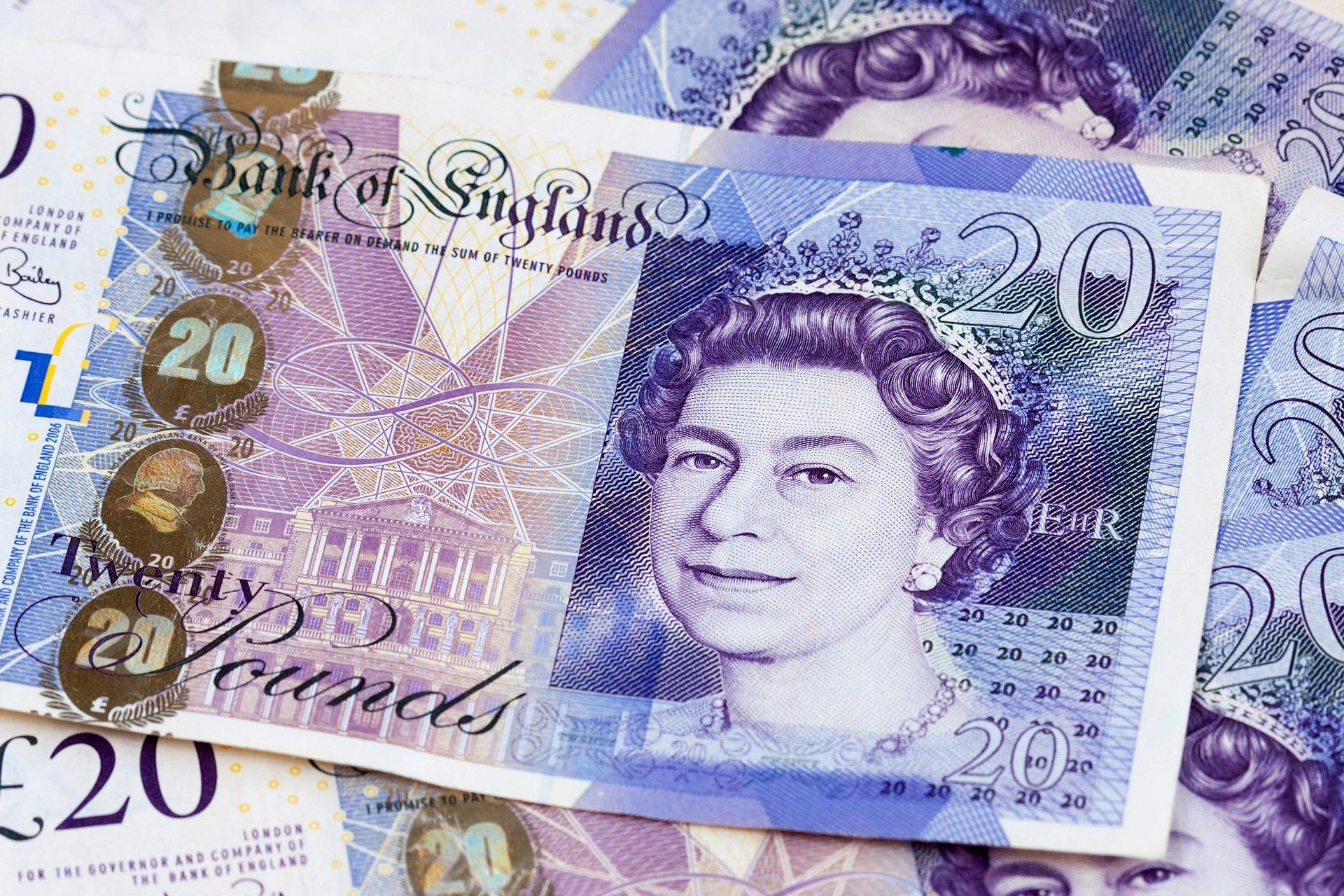
In today’s economies, the main form of money is fiat currency. This is different from money that has its own value, like gold or silver. Fiat currency doesn’t have its own worth; for example, a £20 note isn’t valuable because of the paper it’s made from. Instead, its value comes from the government saying it’s money and from people trusting that the government will back it up.
This system works because the government declares fiat currency as legal money, and people agree to use it to buy and sell things. Trust is very important for this system to function well.
Some people worry that fiat currencies aren’t stable or reliable. However, they allow for the important flexibility needed in today’s economy. Central banks have various ways to help the economy during difficult times, such as recessions or financial crises. They use money made by the government, known as fiat currency. This helps them act quickly when things change. Being able to respond fast is important for keeping the economy steady and helping it grow, even when things are uncertain.
Digital Bank Deposits
Here’s something that surprises many people: most money isn’t physical at all. A lot of people think that money is mostly just cash like coins and paper bills. But actually, a big part of our money today is digital, which means it only exists on computers. For example, when you look at your balance in your banking app, you’re seeing a digital version of your money. This digital money acts like cash for most things you do.
The shift towards using more digital money has happened quickly because of the growth of online banking, mobile payment apps, and online shopping. As a result, digital deposits have become an important part of the economy in many developed countries. They support many financial activities and transactions.
Mastering Money Basics for Beginners Unleash Long-Term Wealth
How Money Works – Understanding the Money Supply
Central banks like the Bank of England, closely monitor the money supply because it plays a major role in economic stability, inflation, and growth. Economists generally classify money into categories based on liquidity, which refers to how quickly assets can be accessed and spent.
M1 – The Most Liquid Money
M1 includes physical currency in circulation, demand deposits, and other assets that can be used immediately for transactions. This is money in its most spendable form.
M2 – A Broader Measure
M2 includes all the things in M1, such as cash and checking accounts, and it also adds savings accounts and some short-term deposits.These funds aren’t always used for daily purchases, but they remain relatively accessible.
M3 – The Broadest Definition
M3 goes beyond basic money measures by including larger deposits from banks and other financial tools. Economists use these broader measures to understand how much money is available and how it moves through the economy.
How Central Banks Influence the Economy
Interest Rates
Interest rates are important tools that central banks such as the Bank of England use to manage the economy. When interest rates rise, it costs more to take out a loan. This can lead to less spending by people and businesses. On the other hand, when interest rates drop, borrowing becomes less expensive. This can motivate individuals and businesses to spend more money.
Managing interest rates is a tough job for central banks, institutions that help control a country’s money supply. Their primary goal is to keep prices steady and help the economy get better..
If they set interest rates too high, loans become more expensive. This means people and businesses may be reluctant to borrow, leading them to spend and invest less. As a result, the economy can begin to slow.
On the other hand, if interest rates stay too low for too long, people might spend too much too quickly. This can cause prices to rise, making everyday items more expensive.
The real difficulty is finding the right middle ground – a way to help the economy grow steadily without causing prices to rise too fast or causing it to slow down too much.
Open Market Operations
Central banks such as the Bank of England control how much money is in the economy by buying and selling government bonds. When they buy bonds, they put more money into the financial system. This helps to increase the amount of money available. On the other hand, when they sell bonds, they take money out of the system. This means there is less money available.
You can think of this like managing the flow of water in a reservoir. If there’s too much money (like too much water), it can cause prices to rise (inflation). If there’s too little money, it can slow down economic activity. So, finding the right balance in these actions is very important for keeping the economy healthy and reaching its goals for managing money.
Reserve Requirements
Reserve requirements are rules that tell banks how much money they must keep on hand relative to the money they have from customers’ deposits. Even though some places don’t use these rules much today, they are still very important. If a central bank changes the reserve amount, it can affect how much money banks can lend to people and businesses. This, in turn, can change the total amount of money in the economy. By changing these rules, central banks can help control how easy it is to get loans and manage prices, which helps keep the economy stable.

Inflation vs Compound Interest: The Battle for Your Wealth
Here’s where economics becomes personal.
Every saver faces a silent competition between compound interest and inflation. One works for you. The other works against you.
Compound interest helps your money grow by earning money not just on the amount you put in at first, but also on the money you earn over time. Over time, this creates exponential growth. Many people call it the eighth wonder of the world, and there’s a good reason for that. At the same time, inflation makes money worth less. As prices go up, a pound can buy fewer things than before.
Economists often estimate the relationship using the Fisher Equation:
Real Return ≈ Nominal Return – Inflation Rate
If your savings earn 4.5% annually while inflation runs at 2.8%, your approximate real return on savings is 1.7%. This means your money is becoming more valuable, not just looking better on paper.
Can a 4.5% Savings Rate Beat Inflation?
Let’s put theory into practice.
Let’s assume you deposit £10,000 into a savings account paying 4.5% annually. After one year, your balance grows to £10,450.
If inflation averages 2.8% during that same period, goods that cost £10,000 today would cost approximately £10,280 a year later. The result? Your savings have not only preserved purchasing power but increased it.
Your real gain would be approximately £170 in today’s spending power.
That may not sound dramatic, but it’s significant. Many savers focus exclusively on interest rates while ignoring inflation. The reality is that the true measure of financial progress isn’t how much money appears on a statement. It’s what that money can actually buy.
Investments That Have Historically Outpaced Inflation
Equities (Stocks)
Historically, global stock markets have delivered average real returns exceeding 5% annually over long periods. Businesses can often raise prices in line with inflation, allowing profits and shareholder returns to grow over time.
Real Estate
Property has long served as a popular inflation hedge. Rising construction costs and rental income often support property values during inflationary periods, making real estate attractive for long-term wealth preservation.
Commodities
Energy products, agricultural goods, and industrial metals frequently benefit from inflationary pressures because they are often part of the reason inflation rises in the first place. However, volatility can be substantial.
Gold and Precious Metals
Gold is known to be a safe place to keep value when there are problems in the economy. While it doesn’t generate income like stocks or property, investors often turn to it when inflation and geopolitical concerns increase.
Index-Linked Bonds
For investors seeking lower risk, inflation-linked securities provide built-in protection by adjusting principal values and interest payments in line with inflation measures.
It’s important to understand that investing comes with risks. You might not always make money, and there is a chance you could lose some of your original investment. It’s also essential to see your investment as a long-term plan rather than seeking quick cash.
It has been said that, only invest money you can afford to lose or can leave alone for at least five years. Before you start investing in any market, make sure you have paid off all your high-interest debts and have a good emergency savings fund. When you are in a secure financial position, you can focus on building a diversified investment portfolio with different asset classes. This strategy helps reduce risk and can increase your chances of generating returns over time.
How do you learn how to manage money?
Managing your money is mostly about creating good habits. This means keeping track of your spending and saving money. You don’t have to learn everything all at once.
Here’s a simple, practical way to learn it step by step:
1. Start by tracking your money
Before anything else, figure out:
- How much money do you earn
- What do you spend it on
Tracking your spending for just one month can help you see patterns you might have missed, like subscriptions or impulse purchases.
2. Make a simple budget
A basic structure many people use is:
- Needs (rent, food, bills)
- Wants (entertainment, shopping)
- Savings (money you don’t touch)
The goal isn’t perfection—it’s awareness and control.
3. Build an emergency fund
Try to save a small buffer first (even £50–£1,00 to start), then grow it over time. This prevents debt when unexpected costs happen.
4. Learn to avoid bad debt
Not all debt is equal:
- Good debt: may help you grow income (like education or a mortgage)
- Bad debt: high-interest borrowing (like credit card debt you don’t repay)
Focus on avoiding or clearing high-interest debt first.
5. Start saving automatically
Make regular transfers to your savings automatically. This way, you don’t have to think about it. Even saving a little bit of money is more important than saving a lot once in a while.
6. Learn the basics of investing (after saving)
Once you have savings:
- Learn about index funds
- Understand risk vs return
- Think long-term, not quick profit
7. Keep improving your financial knowledge
You don’t need complex theory—keep learning regularly:
- Read simple finance blogs
- Watch educational videos
- Focus on one new idea at a time.
The key idea
Money management is less about income level and more about habits, discipline, and consistency.
Related articles:
Saving Money Without Feeling Restricted
Final Thoughts: Why Understanding Money Matters
Money influences nearly every financial decision you’ll ever make. Saving, investing, borrowing, spending, retirement planning—it all begins with understanding how money functions within the economy.
The good news? You don’t need a PhD in economics to make smarter financial decisions. You need to understand a few key principles.
Money has important jobs. Inflation can slowly reduce how much you can buy with your money. If you save money wisely, you can earn more over time through compound interest, which rewards you for being patient. Some types of investments have typically helped people preserve the value of their money even when prices go up.
If you understand these basics, you’ll see your money situation in a new way. Not just as numbers on a screen, but as tools that can help you build security, opportunity, and long-term wealth. And frankly, that’s a lesson worth more than a wallet full of goats.
FAQ’s: How Money Works
What is the 3 6 9 rule of money?
The “3-6-9 rule of money” is a simple guideline for how much emergency savings you should aim to have, based on your personal financial situation.
It suggests keeping aside:
- 3 months of expenses if your income is stable and your job is low-risk
- 6 months of expenses for most people as a balanced safety cushion
- 9 months (or more) if your income is irregular or your job is less secure
The goal is to build savings that help you cover important costs like housing, food, and utility bills if you lose your job or face unexpected expenses.
This idea is meant to help you think about how much money you need to save, based on how you live and what kinds of risks you’re comfortable with.
What are the seven golden rules of money?
The “seven golden rules of money” are simple personal finance principles that help people manage their money wisely and build long-term financial stability.
Here’s a simpler version of the rules:
- Make a budget: Write down how much money you have and how much you spend. This helps you see where your money goes.
- Save money first: When you get money, put some away to save right away. Don’t spend all your money and then try to save what’s left.
- Don’t take on too much debt: Only take a loan if you really need it. Try to avoid high-interest loans if possible.
- Build an emergency fund: Keep some money saved for things that might happen suddenly, like losing your job, needing medical help, or important repairs at home.
- Think long-term for investing: Put your money into things that can grow over a long time, so it earns more money through interest and market changes.
- Spread out your investments: Don’t put all your money in one place. Instead, keep it in different kinds of investments to lower the risk.
- Keep learning about money: Knowing more about money helps you make better choices and adapt to changes in your life.
In summary, these rules are about spending wisely, saving regularly, staying safe with money, and growing your wealth over time.
Compound Interest Explained: Formula, Examples, and How to Make Your Money Grow Faster
Leave a Reply